Commissioner’s Blog: Carers Rights Day 2026
“I’m his wife. Of course I look after him.”
“She’s my sister. What else would I do?”
“He looked after me for years. Now it’s my turn.”
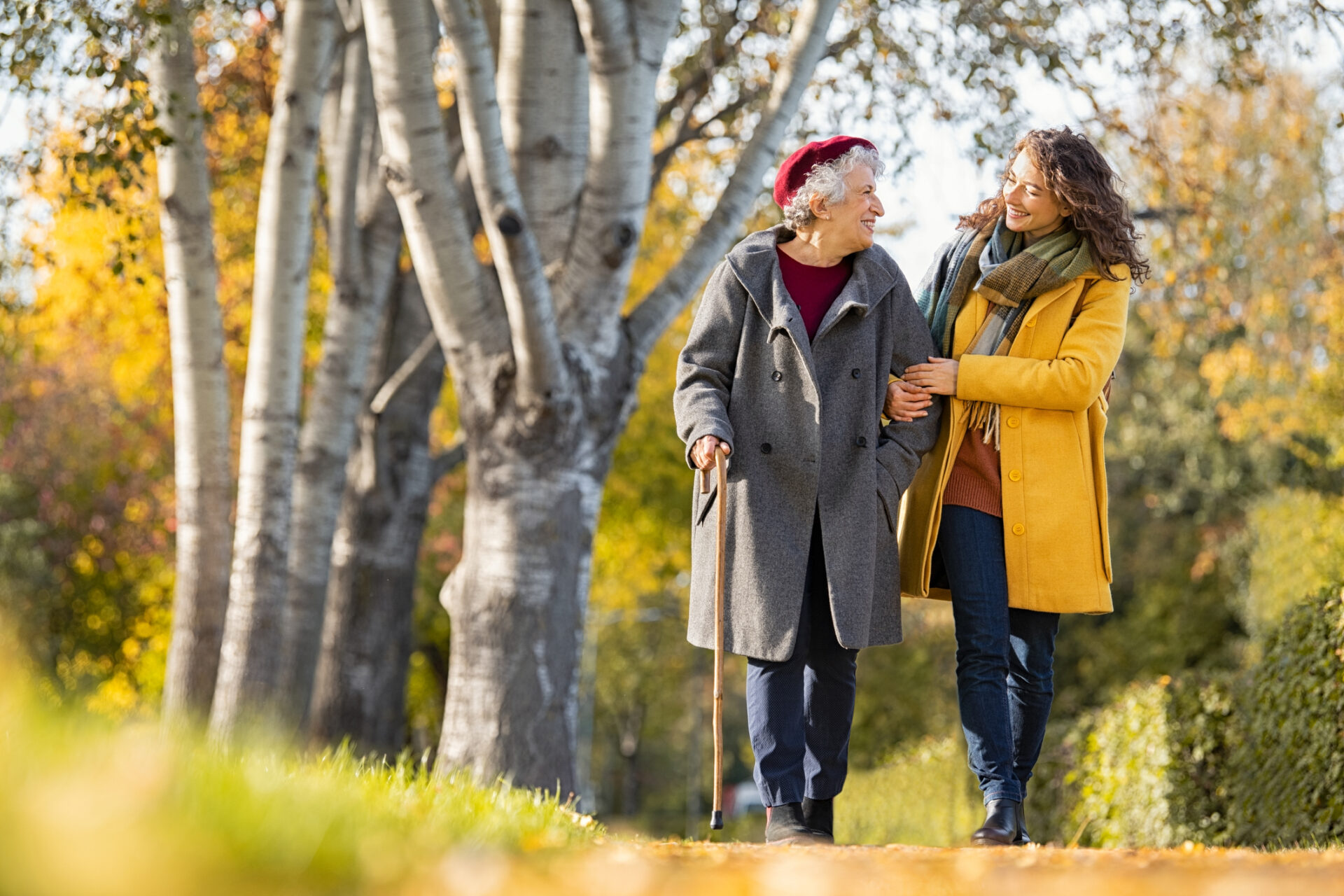
These are the kinds of things I often hear from older people who provide care and support to someone they love. For many, caring is simply part of being a husband, wife, partner, relative or friend, rather than something they would describe as a particular role or responsibility.
This is why the theme of this year’s Carers Rights Day, Someone you know is a carer, but do they know it yet?, is so important. Many people who provide unpaid care do not recognise themselves as carers, which means they may be unaware of their rights or the support available to them.
This is particularly significant for older people, who make an extraordinary contribution as unpaid carers, often providing substantial support while managing changing health or care needs of their own.
The care they provide can take many forms, from helping with everyday tasks and personal care to organising appointments, managing finances and navigating complex services. Over time, these responsibilities can become increasingly demanding, taking a considerable physical, emotional and financial toll.
Through my Advice and Assistance service, I regularly hear from older carers who are struggling to cope, worried about their own health or finding it difficult to access the support they need. Yet many simply say, “I just get on with it.”
While this reflects enormous resilience and commitment, it can also mean that older carers’ own needs go unrecognised, particularly when they do not see themselves as being eligible for support.
This is why raising awareness of carers’ rights is so important.
Unpaid carers have a range of rights, including access to information and advice, and the right to a carer’s needs assessment, which identifies the support they may need in their caring role.
However, rights are only meaningful if people know about them and can exercise them. Public services must therefore be far more proactive in identifying unpaid carers, helping them understand their rights and ensuring they can access appropriate support before reaching crisis point.
The Welsh Government’s new National Strategy for Unpaid Carers provides an important opportunity to strengthen this approach. Its emphasis on identifying and responding to carers’ needs more quickly, improving access to respite, information, advice and services, and supporting health and wellbeing is particularly welcome, as is its recognition of the financial pressures often faced by carers. This renewed focus is important, but the real test will be whether these commitments translate into meaningful improvements in carers’ everyday lives. We have had strategies and commitments before, yet too many older carers continue to struggle without the support they need.
As I highlighted in my response to the consultation on the strategy, I want to see clear action and accountability, alongside greater recognition of the particular challenges older carers face. Their experiences must be reflected in how the strategy is implemented, and their voices must help shape the services intended to support them.
This includes practical steps such as improving data collection to provide a clearer picture about the levels and types of care being provided by older carers in Wales and whether assessments and support are reaching the people who need these most.
It’s also crucial that information and advice is available via non-digital channels to ensure that older people who are not online do not find themselves excluded from accessing crucial help and support.
As Commissioner, I will continue to press the Welsh Government and public services to deliver change and improvements to ensure older carers’ rights are recognised and upheld.
And we can also all play a part by recognising the unpaid carers around us, helping them understand their rights and encouraging them to seek support.
Caring for someone you love should never mean sacrificing your own health, wellbeing or independence. So let’s make sure that everyone providing unpaid care knows that their contribution matters, their rights matter, and they matter too.