Spotlights on Ageism
As a society, our understanding of prejudice and discrimination, and their impact on people’s lives, has grown significantly.
However, despite the progress we’ve made, ageism remains widespread (the World Health Organization estimates that 1 in 2 people across the world holds ageist views) and is often dismissed, laughed off or seen as being acceptable.
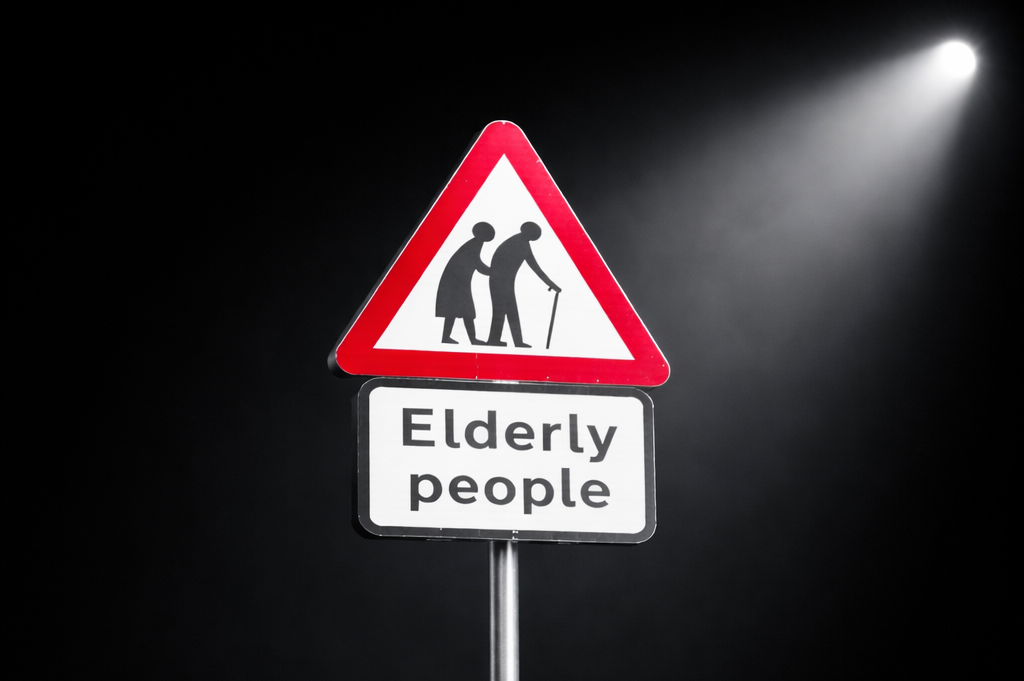
Ageist language and imagery is still common across the media, advertising and within public discourse, often narrowly framing older age as a time of ill-health, decline and frailty, and presenting growing older as something that should be feared, rather than celebrated.
This reinforces negative attitudes and stereotypes about older people, which can result in individuals facing discrimination in a number of ways, including in the workplace and when accessing (or trying to access) health, social care and other public services, as highlighted by a growing body of evidence.
Evidence also shows that ageism causes a range of harms, impacting upon people’s health and well-being, financial security, social exclusion and more, as well as limiting the opportunities we need to live and age well.
Action to challenge and prevent ageism is therefore hugely important.
And, to help determine the most effective ways we can work together to ensure older people are treated fairly, it’s also important that we understand the ways ageism manifests itself in older people’s everyday lives here in Wales.
That’s why I’ve invited public service leaders and other experts working across key sectors in Wales to examine these issues from their own perspectives, as part of my Spotlights on Ageism series.
Through this series, I want to shine a light on the realities of ageism in a Welsh context and inspire action and change by identifying cross-cutting issues and themes and the action needed to deliver effective solutions.
Given the ways that ageism can affect our opportunities to age well, the Spotlights contributions are broadly themed in line with WHO’s 8 Age-friendly domains.
Focusing contributions on these key areas will help to ensure the issues explored are firmly rooted in older people’s experiences living within our communities and that the solutions proposed are focused on practical action to improve older people’s everyday lives.
I will be publishing contributions on a rolling basis during the months ahead, before sharing my own commentary and calls for action, so do keep an eye out for the latest updates.
We begin with a contribution from Steve Milsom, Secretary of Cymru Older People’s Alliance (COPA) and an Age Cymru Trustee, who has brought together a wide range of key information and data relating to ageism and its impact to provide a really helpful overview of the ways ageism impacts upon older people in key policy areas.
Read Steve’s Spotlight on Ageism