
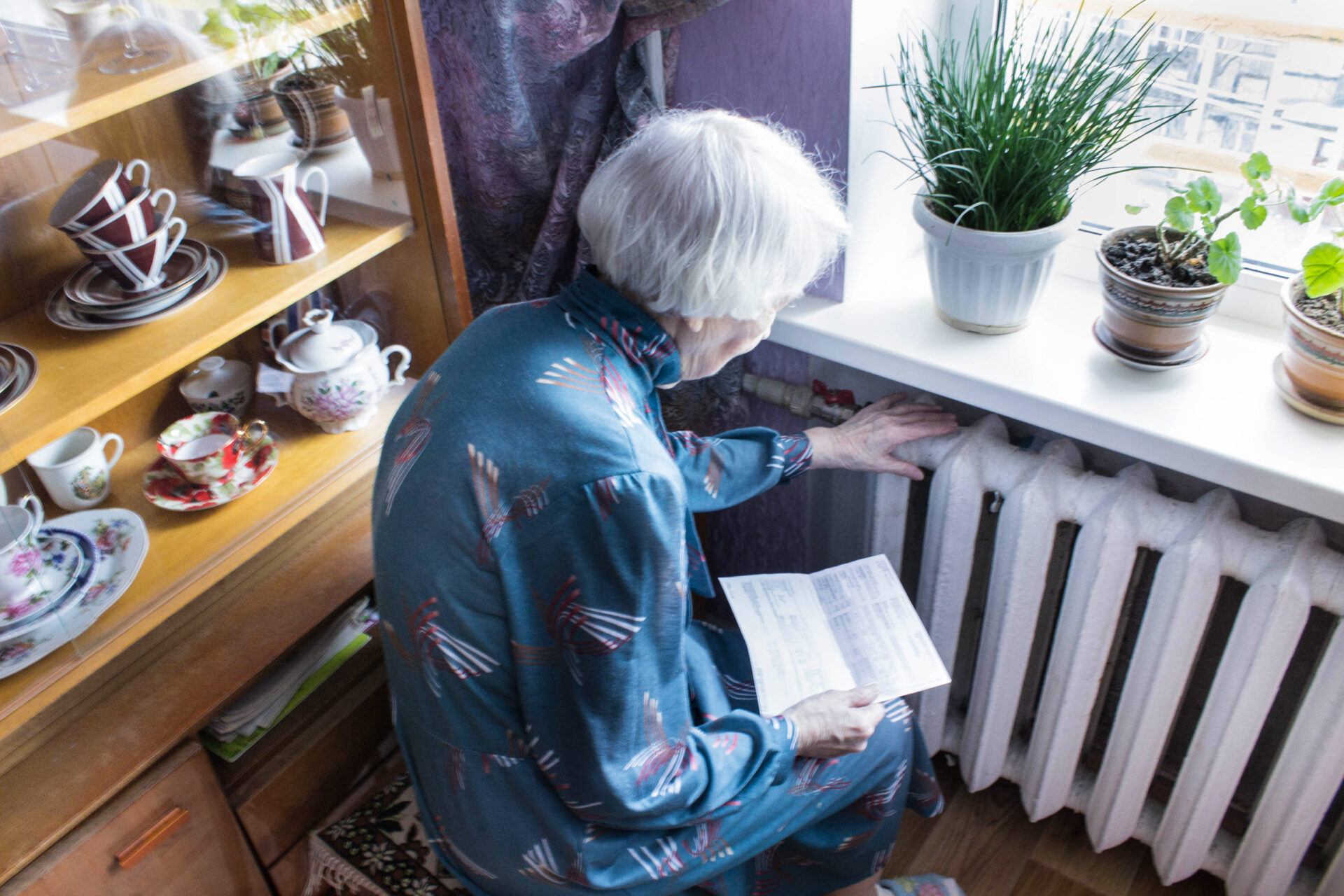
Older people in Poverty in Wales
Commissioner’s introduction
Poverty among older people in Wales is a deeply concerning issue – one that demands urgent attention and action. As the Older People’s Commissioner for Wales, I have heard directly from older people across the country about the profound impact that financial hardship is having on their lives: from struggling to heat their homes and afford nutritious food, to facing barriers in accessing essential services and support.
This report shines a light on the realities of poverty in later life, drawing on data and lived experiences, as well as considering they ways that long-standing inequalities continue to shape the lives of many older people.
The report also highlights how rising costs, inadequate income and systemic challenges, such as being offline and limited access to social tariffs for essential services, are leaving many older people at risk of harm, isolation and declining health and well-being.
Poverty in older age is linked to poorer physical and mental health, increased loneliness and isolation, reduced access to healthy food, heating and transport and a greater reliance on public services, such as the NHS and social services.
Many older people in Wales live on fixed or limited incomes, including state pensions and social entitlements. Rising living costs, especially for energy and food, can therefore have a disproportionate impact. Poverty can affect any older person within society, but some groups are more vulnerable than others, such as women who are private renters, disabled people, unpaid carers and Black, Asian and Minority Ethnic older people. Older people in rural areas can also face additional challenges.
There are too many older people living in poverty in Wales and addressing this must be a priority – for social, economic, and moral reasons.
While later life can and should be a time of security, dignity and fulfilment, for too many older people in Wales it is marked by anxiety and deprivation. This is not inevitable. With the right policies, targeted support and a commitment to listening to and acting on the voices of older people, we can reverse these trends and ensure that everyone can age well.
Rhian Bowen-Davies
Older People’s Commissioner for Wales
Older people and poverty: key data and statistics
Understanding Poverty
In the UK, poverty is defined as a situation where a person’s resources – mainly financial – are not enough to meet their basic needs, including the ability to take part in everyday life. One way to measure this is through relative income poverty, where a person lives in a household with an income below 60% of the UK average. Another measure is fuel poverty, which occurs when a household needs to spend more than 10% of its income to heat their home.
A rising trend
After years of progress in reducing poverty among older people via actions such as the introduction of Pension Credit, the Triple Lock on State Pensions, and targeted benefits like Winter Fuel Payments, recent years have seen a troubling reversal. The Commissioner’s 2019 and 2021 State of the Nation reports revealed growing financial difficulties among older adults – a situation made worse in recent years by the Covid-19 pandemic and rapidly rising living costs – while the realities of these trends were explored in the Commissioner’s 2025 Growing Older in Wales report, which highlighted that nearly 1 in 5 older people are unable to save £10 a month.1 These financial difficulties have also been recently highlighted in reports from the Joseph Rowntree Foundation and Independent Age.2, 3 Research by Independent Age projects that across the UK, almost one in four, or 3.9 million older people, could be in poverty by 2040.4
Poverty in Wales
Currently 22% of people in Wales (700,000 people) are living in poverty.5 Over 100,000 of these are older people. Alarmingly, 450,000 of those living in poverty in Wales are in ‘deep poverty’, meaning their income (after housing costs) is less than 50% of the UK average. Compared to the 1990s, the number of people in deep or very deep poverty has risen significantly, suggesting that poverty in Wales is becoming more severe.6 Research by JRF shows that in 2020–23, nearly half a million people in Wales lived in deep poverty or very deep poverty, with the proportion of people in very deep poverty rising from 33% in 1994–97 to 47% (approximately 310,000 individuals) in 2020–23.7
Fuel poverty
Fuel poverty remains a pressing concern, especially for older people. As of October 2021, in Wales, fuel poverty affected:
- 22% of single pensioner households
- 13% of pensioner couple households8
According to the Welsh Government, 25% of all households (340,000) were in fuel poverty as of October 2024 and more than 4 in 5 of all lower-income households (83%) were in fuel poverty, almost a quarter of which were in severe fuel poverty.9
Older adults are at particular risk of health issues due to living in cold homes as a result of fuel poverty, estimated to cost the health service around £41M a year. Furthermore, people aged 75 and over account for 75% of excess winter deaths, often linked to cold homes.10
Despite the energy price cap set by Ofgem, costs remain high. In October 2024, Ofgem raised the cap, meaning a typical household would pay £1,717 a year, up from £1,568 just a few months earlier. In July 2025, the cap was £1,720 and as of October 2025 the cap sits at £1,755.11
According to Care & Repair Cymru, which supports older people to live independently through repairs, adaptations and home maintenance, an average client spent 19% of income on energy bills during winter, rising to 25% in winter 2022–23 for those receiving energy advice.12
Relative income poverty among older people
In Wales, nearly 1 in 6 older people (16%) live in relative income poverty.13 Some groups are affected more severely than others:
- 33% of social housing tenants aged 65+ live in poverty, compared to 13% of older homeowners
- Older women living alone are disproportionately affected: 24% live in poverty, compared to 11% of older couples
- Poverty also increases with age, affecting 22% of people aged 85+ (though data is limited)14
Among working-age adults, poverty rates are highest amongst those aged 60 and over, with 26% living in poverty.15
According to the National Survey for Wales, 1 in 4 people aged 65–74 and 1 in 6 aged 75+ say they sometimes or always struggle to pay their bills.16
The geography of poverty: urban and rural differences
Traditionally, poverty has been more visible in urban areas, while often remaining more hidden in rural parts of Wales. People moving into rural areas with higher incomes can mask the struggles of those already living there. Particular challenges in rural Wales include:
- Higher house prices compared to income
- Limited access to public transport
- High costs of fuel and essential goods
- Poor energy efficiency in older homes17
In addition, many homes in rural Wales face higher energy costs as a result of not being connected to the gas grid and having to rely on expensive, unregulated fuel sources, despite incomes in these areas being lower than in other places – in Pembrokeshire, for example, wages are £346 per month lower than the UK average.18
Furthermore, traditional poverty measures like unemployment or car ownership don’t always reflect rural realities, where in-work poverty and transport dependency are more common.
The Bevan Foundation has described rural households as facing a ‘triple squeeze’: low wages, higher costs, and less support.19
Poverty and protected characteristics
Ethnicity
Black, Asian and Minority Ethnic households in Wales face much higher poverty rates:
- 47% of minority ethnic households live in poverty, compared to 22% of white households
- Among those in poverty, 58% of minority ethnic households are in very deep poverty, versus 43% of white households20
However, as most households in Wales are white, 96% of people in poverty are from white households.
Disability
- Wales has 670,000 disabled people (21% of the population)
- For those aged 50+, nearly 1 in 3 (33%) report being disabled Infographic
- 32% of disabled people in Wales live in poverty – 10 percentage points higher than those without disabilities
- Among disabled people with a limiting mental health condition, poverty rises to 37%21
Whilst the recent UK Government proposed reforms to disability benefits and Universal Credit are being reconsidered, it is important to note that these could have worsened poverty, especially among older disabled adults. The Bevan Foundation estimated that 190,000 people in Wales may have been affected, potentially pushing poverty rates in some groups from 24.5% to 78.3%.22
Carers
- 1 in 8 people in Wales are unpaid carers, with this expected to rise to 1 in 6 by 2037
- 31% of unpaid carers live in poverty, compared to 22% of non-carers23
- Wales has the highest proportion in the UK of older carers and carers providing 50+ hours a week24
- Nearly half of carers receiving Carer’s Allowance have cut back on essentials like food and heating
- 63% are worried about the cost of living and how they’ll cope in the future25
Support and entitlements
State Pension
The full basic State Pension (for anyone who qualified before 6 April 2016) is currently worth £176.45 per week, while the full new State Pension is worth £230.25 per week.26 It is important to remember that not everyone qualifies for a full State Pension, either basic or new. Women, who may have missed out on contributions as a result of taking time away to care for family or through working part time, are particularly likely to be affected. In Wales, 646,234 people received some form of state pension in May 2024. Of these, only 213,817 (33%) received the new state pension.27
Pension Credit
Pension Credit provides vital financial support to older people on low incomes and can unlock additional entitlements such as Council Tax reductions. However, eligibility is currently restricted to those with incomes below approximately £12,000 for single pensioners or £18,000 for couples. This creates a ‘cliff edge’ effect, where even a small increase in income can result in complete loss of support. In February 2025:
- 82,360 people in Wales received Pension Credit
- Two-thirds were women (54,413 women vs 27,948 men)
Despite its value, uptake remains low, and the number of claimants has fallen every year 20182024.28 It is estimated that approximately 50,000 households in Wales currently miss out on receiving the Pension Credit they are entitled to, which is worth an average of £4,300 a year.29
Universal Credit
Universal Credit supports people under State Pension age with living costs and replaces Housing Benefit, Income Support, income-based Jobseeker’s Allowance (JSA) and incomerelated Employment and Support Allowance (ESA). There has been significant growth in the number of older adults claiming Universal Credit:
- 40,225 people over 60 in Wales were claiming Universal Credit in July 2025
- This figure has doubled in three years – from 20,385 in 2022.30
The impact of poverty on older people in daily life
Poverty has real, immediate effects on people of all ages in Wales. In November 2024:
- 22% of people in Wales went without heating
- 15% went without bathing, and 8% lacked basic toiletries
- 23% skipped meals or ate less, and 5% used foodbanks
Beyond food and warmth:
- 18% couldn’t afford new clothes
- 17% couldn’t repair major appliances
- 13% avoided essential journeys
- 12% lacked basic furniture
- 30% borrowed money in the last 3 months — nearly double from 2021
- 15% were behind on at least one bill
Poverty also takes a toll on health:
- 44% reported a negative effect on mental health
- 29% on physical health31
What older people have told us
Daily challenges
Older people across Wales have shared serious concerns with the Commissioner about the increasing impact of poverty on their everyday lives.32 The harmful effects of financial hardship – felt in areas such as housing, health, food, and social connection – are deeply troubling and demand urgent attention. Many older people spoke of the daily challenges they face. These voices highlight the wide-ranging and unequal experiences of later life in Wales, and the pressing need for action to ensure that all older people can live with dignity and without fear of poverty.
Even older people who were coping financially were aware of and concerned about those who were not. Some older people recognised that they were in a fortunate position but that not everyone was able to manage:
“I’m lucky to have adequate income but I imagine that the less fortunate will struggle with housing, transport and health care disproportionally with the general population.”
Poverty among older people in Wales is driven by a complex and interconnected set of factors. These include inadequate pension income, rising living costs, restricted access to essential services, and long-term health conditions, all of which combine to create significant and often compounding challenges in later life:
“By now we see daily living costs, tax costs, Water, electricity, Telephone also Health and care costs, all putting financial pressure on the pension.”
Many older people have shared that they are being forced to cut back on essentials, such as heating their homes and buying food, just to make ends meet. These difficult choices reflect the harsh realities of living on a limited income and the growing pressure of ever rising costs:
“With the increases in energy costs and no heating allowance, we have to switch off our heating to be able to afford to pay electric etc. costs.”
When older people are unable to afford heating and nutritious food, the consequences can be severe and even life-threatening. Exposure to cold affects a wide range of health conditions and also increases the risk of hypothermia, while poor nutrition can worsen chronic conditions such as diabetes, heart disease and arthritis. These risks are especially acute during winter, when cold weather and inadequate diets contribute to significantly higher mortality rates among older people, as highlighted above.
The Commissioner has heard from older people who have cut out a meal a day in an attempt to be able to afford to heat their homes. Going without food or not eating enough over time leads to malnutrition, weight loss and weakened immune systems, which increase the risk of frailty, increasing GP visits, hospital admissions and the length of stay in hospital.33
Many older people in Wales depend on public transport to maintain their independence and access essential services. However, as reflected in the concerns raised with the Commissioner by older people, challenges such as limited rural routes, poor accessibility, and infrequent timetables often restrict their mobility. For those without access to reliable transport, the high cost of taxis can be prohibitive, creating significant barriers to attending vital appointments – including medical and dental care – and contributing to missed NHS appointments across the country:
“The expense of taxis to visit the surgery and hospitals – yes there is transport available but it goes around the houses and results in a very long day if you are over 90!”
Research on transport from the National Survey for Wales shows that 14% of people aged 65+ used the bus at least once a week.34 This was the highest of all age groups.
Older people who have their own transport can also find the rising costs a significant challenge:
“I have no option other than to drive and the government is making this difficult i.e. higher car tax, cost of fuel, insurance etc.”
Even older people who can attend their medical appointments and receive healthcare may face substantial costs, for example, charges for dental treatment either via the NHS or private providers (more on this issue below) for eye care and glasses, or costs relating to audiology – such as hearing aids. These costs contribute to poverty, deepen financial insecurity and worsen health outcomes. This creates a cycle of poverty and poor health.
The financial barriers older adults face in accessing essential healthcare services are a growing concern that demands urgent policy attention. Many older people are struggling to afford basic treatments for issues that significantly impact upon their quality of life. Dentistry continues to be a particular concern. As one individual shared:
“I have a broken tooth, my dentist charges £100 for filling or removal and £600 to £800 to cap it none of which I can possibly afford so I just have to suffer toothache.”
This is not an isolated case.
New dental charges have an effect on older people, particularly as their oral health needs are changing and becoming increasingly complex. Many older people now need regular maintenance and restoration of natural teeth and individually designed partial dentures, where previous generations would have needed a full set of dentures to replace all their teeth.
Higher costs may disproportionately affect older people and ways in which the financial impact on older people could be mitigated should be considered as a matter of urgency.
Older people have also highlighted the cumulative burden of out-of-pocket health-related expenses:
“Many health-related services such as Foot Treatment, new glasses, ear cleaning, dental treatment are all additional costs and pension does not change.”
These concerns were reflected in responses from older people to Age Cymru’s What Matters to You? survey, which highlighted challenges relating to the cost-of-living.35 Many older people described the extent of their financial insecurity, and how expensive it can be to live with ill health. how tight their finances are, and how expensive it can be to live with ill health. The ongoing cost of living crisis also means some older people living with poor physical health are now struggling with their mental health too.
These testimonies underscore the need for more inclusive and affordable healthcare provision for older people, particularly in areas not fully covered by the NHS or social care systems.
Housing and Fuel Poverty
Being able to stay warm at home is essential to prevent illnesses that can cause harm to older people’s health and well-being. This has been frequently raised by older people as something that is much more difficult now due to rising living and energy costs. Some older people may reduce heating their home or electricity use to save money, increasing the risk of cold-related illnesses like hypothermia or respiratory issues.
In October 2024, Welsh Government figures show that 340,000 households in Wales (25%) were living in fuel poverty.36 A further 215,000 households (16%) were estimated to have been at risk of fuel poverty. More than 4 in 5 of all lower-income households (83%) were in fuel poverty, almost a quarter of whom were in severe fuel poverty. This has serious implications for public health, particularly for older adults and those with chronic conditions, as it increases the risk of cold-related illnesses, mental distress, and reduced ability to manage essential medical needs at home.
Older people in Wales are more likely to live in homes that are older and in a poorer condition than in other areas of the UK.37 Wales also has the oldest housing stock in the UK, meaning many houses are poorly insulated.38 This leads to increased energy costs and fuel poverty. Current estimates of fuel poverty in Wales are based on the 2017-18 Welsh Housing Conditions
Survey but re-calculated using household incomes and fuel prices between 2017 and October 2024. Welsh Government has commissioned a new Welsh Housing Survey, but headline results won’t be available until 2028-29. An accurate picture is therefore not currently available, and many factors have adversely affected household income and living costs since 2017-18. These include significant levels of inflation, changes in employment patterns, and the impact of COVID-19 and Brexit.
Fuel poverty and poor housing were raised by a number of those who responded to the Commissioner’s consultation on setting her priorities. One response noted:
“Everyone should be able to afford to live in a warm, safe, and healthy home. However, a toxic combination of low incomes, high energy prices, and poor, inefficient housing continue to deny this to hundreds of thousands across Wales, including many older people.”
Older people in Wales are increasingly spending more on essential costs such as utility bills, healthcare and home maintenance services than in previous years. Heating costs are a particular concern, as many older people spend more time at home and often live in properties that are cold or poorly insulated.39 Additionally, older individuals may have higher energy needs due to reduced physical activity or health conditions that are worsened by cold environments. As a result, they must keep their homes warmer for longer periods to remain comfortable and well, placing further strain on already limited incomes:
“Older people can have higher energy needs because they often spend more time at home, may be less physically active, and/or have health conditions that are exacerbated by the cold.”
Some older people in Wales face significantly higher energy costs due to the electricity demands of essential medical equipment, placing additional financial pressure on those already living on fixed incomes. This highlights the urgent need for integrated health and energy policies that recognise electricity as a medical necessity and ensure that vulnerable older adults are not forced to compromise their health due to poverty.
“He feels the cold more than me because he is less active, but we have to watch the heating because the bills might be unaffordable. He also uses medical equipment at night which uses electricity. All of this worries us.”
Living in cold homes contributes to excess winter mortality and to a range of symptomatic illnesses. Older people are likely to be disproportionately affected by changes in temperature caused by colder weather and being unable to heat their own homes. 75% of excess winter deaths are people aged 75 and above.40 In winter of 2022/23, clients who engaged with the Care and Repair fuel poverty and energy advice service were spending on average 25% of their income on utilities.
Poorly heated homes can significantly worsen health conditions such as arthritis, heart disease, and mobility issues. The report “Cold homes in Wales: Is the satisfactory heating regime appropriate for health and well-being?” by Public Health Wales and Bangor University highlights that living in homes colder than 18°C is linked to negative health outcomes, especially for older individuals and those with disabilities or chronic illnesses.41
Wales’s ageing housing stock and poor energy efficiency contribute to substantial costs for NHS Wales. In 2019, Public Health Wales estimated that excess cold adds approximately £41 million to the annual healthcare costs associated with poor housing, bringing the total to nearly £100 million.42
Older people in rented accommodation are particularly at risk of experiencing poverty, with Independent Age reporting that 37% of older private renters find themselves in relative income poverty after housing costs.43 This issue is also likely to become much more prevalent in the years ahead, with the UK Collaborative Centre for Housing Evidence (CaCHE) projecting that 18% of older people in Wales could be living in privately rented homes by 2040, a significant increase from the current level of around 4%.44
However, homeownership does not guarantee financial security: according to the Centre for Ageing Better, 19% of people aged 50 and over who own their homes outright – around 2.3 million individuals in the UK – a are living in poverty.45 Many of these homes are in poor condition, and older homeowners often lack the income to afford necessary repairs.
Housing must be viewed through a life-course lens to ensure it meets people’s needs as they age. Care and Repair Cymru notes that older people in Wales are more likely to live in older, poorer-quality homes than elsewhere in the UK.46 With 26% of Welsh housing built before 1919, repairs and adaptations are essential for safety and well-being.
Those in rural areas may also face additional challenges due to reliance on expensive, unregulated off-grid fuels like oil and LPG, which lack the protections afforded to gas and electricity users.
“Be nice if there could be more help for those pensioners who are just over the income for pension credit and lost their winter fuel payment – especially those reliant on heating oil or LPG for heating.”
Many older people may also find themselves financially disadvantaged as they continue to pay for energy upon receipt of bills rather than through direct debit, a method that typically results in higher costs. In 2024, 71,886 people in Wales paid their electricity bill by quarterly payment and while the data does not make clear exactly how many of these were aged 60+, it is likely that a significant proportion were from this age group.47
This approach adds financial strain, especially as energy prices rise, and the situation is made worse by the removal of incentives like prompt payment discounts, which previously helped older consumers manage their bills more affordably. This means that outdated or unfair payment systems and rising energy costs are compounding the hardship faced by older people, highlighting the urgent need for more inclusive and supportive energy policies.
For those older people who are not online or who are not confident users of the internet, it can also be harder to compare energy prices and access the best deals. Digital exclusion brings additional costs, an issue explored further below.
Fuel poverty remains a deep-rooted issue in Wales, depriving people of the ability to meet basic daily needs. As poverty deepens and cold homes become harder to heat, many older individuals feel increasingly forgotten by society. This leaves them not only physically vulnerable to the effects of cold, but also emotionally isolated and invisible.
Addressing cold, inefficient housing in Wales is therefore not just a matter of comfort – it’s a public health imperative that affects the well-being, financial stability and safety of some of the most vulnerable people in society.
Additional cost-of-living challenges
“There is a common misconception that older people can live on a meagre pension, and it’s ok to be cold and unable to pay fuel bills.”
Water
It is not just energy bills that are both worrying and impacting older people. Water bills are a growing concern for many older people in Wales. Unlike energy providers, water suppliers cannot be switched, leaving households with limited options to reduce costs. However, schemes like the Welsh Water HelpU Tariff offer some relief by capping payments for low-income households.48
Introducing a social tariff for energy and utility bills would offer crucial financial relief to older people living in poverty, enabling them to afford essential services without compromising their health or wellbeing.
Cost of living and inadequate pensions and savings
As the cost of living continues to rise sharply, many older people are finding themselves trapped between inadequate pensions and dwindling savings, struggling to afford even the basics of daily life.
Research by Loughborough University published in February 2024 noted that “Living standards in the UK have stagnated (OBR, 2023) and a growing proportion of pensioners have incomes that fall short of the level needed for a minimum socially acceptable standard of living, the income they need to live with dignity in the UK.”49
Based on the research by the University of Loughborough, the Retirement Living Standards set out three levels of what life in retirement could look like and the levels of annual expenditure needed in order to afford each.50 There is a significant gap between the minimum standard and both the full basic and new State Pensions, even if topped up with Pension Credit.
The Minimum Income Standard (MIS) for the United Kingdom in 2024 was developed by the Joseph Rowntree Foundation and provides a benchmark for how much households need to spend to reach a minimum and acceptable standard of living.51 The likelihood of living below the MIS for one-person pensioner households has more than doubled between 2008/9 and 2022/23.
Rising living costs therefore create serious challenges for older people in Wales, especially as many rely on fixed incomes that do not increase in line with inflation. Older people have highlighted to the Commissioner how the cost of living, which has risen rapidly in recent years, impacts upon their lives, creating financial pressures and limiting the choices available to them.
Current State Pension and pension age benefits are not enabling all older people to have a safe, healthy and comfortable standard of living in later life, leaving many in poverty. Many people now have to work longer before they can access the state pension, which places additional pressure on older workers – especially those in physically demanding jobs, those with health issues or those providing unpaid care.
“As I will not get my State Pension until I am 67, I have to work even though I am a registered carer for my husband and older mother.”
However, despite the fact that many older people increasingly need to continue working, they often face barriers relating to employment due to ageism and age discrimination, which can make remaining in or returning to the workplace more difficult. Figures also suggest that older workers in Wales face increased barriers relating to employment: during 2024-25 employment rates for people aged 50-64 were lower in Wales than in all other parts of the UK.52
Digital Exclusion
Digital poverty is a major driver of inequality among older people in Wales. Being offline can block or make it harder to access financial entitlements, employment opportunities and lifelong learning. As more public services, healthcare, banking and social interactions shift online, people without digital access or those with limited digital skill or confidence face growing exclusion and hardship.
The digital divide has far-reaching consequences. It increases social isolation (explored in more detail below), limits access to cost-saving opportunities and restricts engagement with telehealth and online government services. Economically, older people without internet access often pay more, unable to compare prices or benefit from digital-only deals.
“It means people like [major supermarket] only give offers to people with smart phones.”
Older people often pay more for essential services simply because they are not online. Without online banking, for example, older people may face fees for paper statements, limited access to competitive savings rates, and difficulty managing finances, especially as physical bank branches close.
The Centre for Social Justice’s 2023 report, “Left Out: How to tackle digital exclusion and reduce the poverty premium,” revealed that digital exclusion in the UK was significantly worse than official estimates, affecting about 11% of households and intensifying the cost-of-living crisis for low-income individuals who pay more for basic goods and services due to lack of online access.53
This report revealed that the number of households without internet access was nearly double the official estimates provided by Ofcom, indicating that the cost-of-living challenges disproportionately affect the poor and also older people. The report highlighted the need for action on device access, digital connection and digital capability, with a focus on working-age people as well as older people.
Taking action to respond to these issues is not just a matter of fairness – it is a strategic priority to reduce long-term costs and improve quality of life.
A key part of this is reducing the costs that often act as a barrier to older people getting and staying online, meaning that practical support – such as offering social tariffs – is hugely important.
However, despite their potential, broadband social tariffs are significantly underused. Only around 9.6% of eligible households across the UK are currently signed up. Low awareness, complicated sign-up processes and concerns about service quality prevent many older people in financial hardship from benefiting.
A comprehensive review and reform of these tariffs is urgently needed to ensure they reach those most in need – particularly older people in Wales who are digitally excluded due to cost.
Social isolation and loneliness
A range of evidence demonstrates the links between poverty and social isolation, defined as the absence of contact with other people and a common feature of loneliness, which can lead to a range of negative physical and mental health problems.
Many older people report being unable to afford basic social activities or transport to visit friends and family. Limited ability to travel freely reduces opportunities for social interaction, contributing to loneliness and declining mental wellbeing. Poverty therefore contributes also towards anxiety, depression, and feelings of hopelessness.
Research indicates that loneliness can increase the risk of dementia by 50%, stroke by 32% and heart disease by 29%. Loneliness and social isolation can also increase the risk of an early death by up to 26%.
Whilst there is growing recognition of loneliness as a key issue for older people and a public health priority – loneliness and social isolation have been identified as one of the cross-cutting themes of the UN’s Decade of Healthy Ageing54 – there is still a great deal of stigma relating to loneliness, which can act as a barrier to people seeking help.
Older people’s priorities
The Commissioner carried out research with older people in Wales in January and February 2025 to better understand the challenges they face, ensuring that policies and support services are informed by their lived experiences and needs.
Older people were asked “What is the single most important issue that the new Older People’s Commissioner for Wales should focus on?” Issues related to poverty, the cost-of-living crisis, energy prices, and the decision to remove the Winter Fuel Allowance were raised repeatedly:
“Energy prices and high food costs.”
“Make sure pensioners are well fed and kept warm in winter.”
“Make sure older people have enough money and provide for themselves, they have done so much for the community, why should they struggle”
“Focus on the fact that there are older people who get a bit more money with their pension but they’re not entitled to any benefits like pension credits and new boilers and they still pay tax, and they still struggle in general with bills and this
should be looked into so they do not fall through the cracks.”
Policy and support landscape
In Wales, older people face significant barriers to accessing financial support from both the Welsh and UK Governments, despite policy initiatives designed to help. Worryingly, others who have maximised their incomes continue to struggle, with no avenues left available to them.
Some older people remain unaware of the help available or feel stigma around claiming entitlements. The application process has been described as “long, tedious, and repetitive,” leaving applicants feeling “mentally exhausted” and discouraged.55 Those without internet access, with health conditions, or with low literacy face even greater challenges.
Research from Independent Age highlighted the complexity of the UK’s social security system and how this prevents many older people from receiving the financial support to which they are entitled, including Housing Benefit, Attendance Allowance, and Council Tax Reduction.56
Similarly, The Policy in Practice report “Missing Out 2025: £24 billion of support is unclaimed” suggests that over 7 million households in the UK are missing out on record support, driven by under claiming and new eligibility.57 According to the report, stigma, complexity and a lack of awareness can combine to leave people in desperate circumstances with no clear idea of where to turn or how to get help.
As highlighted above, Pension Credit provides vital financial support to older people on low incomes and can unlock additional entitlements such as Council Tax reductions. However, eligibility is currently restricted to those with incomes below approximately £12,000 for single pensioners or £18,000 for couples. This creates a ‘cliff edge’ effect, where even a small increase in income can result in complete loss of support. A more flexible, tapered system should be introduced to ensure more older people can access the help they need.
Despite its importance, Pension Credit uptake remains too low in Wales. Prior to the UK Government’s restrictions to the Winter Fuel Payment in 2024, around 50,000 people were estimated to be eligible for Pension Credit but not currently claiming. The Department for Work and Pensions has also previously estimated that around a third of those entitled to Pension Credit do not receive it. The complexity of the benefits system – both actual and perceived – and the lack of accessible guidance can also act as barriers that prevent older people receiving the financial support they are entitled to. Clear consistent support is therefore needed to help older people understand what they may be eligible to receive and navigate claims processes, which can be confusing and repetitive, and in some cases contribute to emotional distress and financial hardship (where there are unnecessary delays).
The language used relating to financial support also needs to shift away from ‘benefits’ to ‘entitlements’, removing any negative or stigmatising terminology.
As a result of the 2024 changes to Winter Fuel Allowance, restricting it to only those older people in receipt of Pension Credit, being made at short notice, campaigns understandably focused on encouraging any older person who might be eligible to make an application.
A comparison between the period from the announcement on 29 July 2024 that Winter Fuel Payment (WFP) would be means tested (29 July 2024 to 25 May 2025) with the comparable period a year previously (31 July 2023 to 26 May 2024) shows that across the UK, the DWP saw a 99% increase in Pension Credit claims that were not awarded (i.e. turned down).58 However, this approach and the subsequent high numbers of older people who made unsuccessful claims, has implications for the future: older people have described being put off from trying to apply for other financial entitlements, for example. Future messaging from governments and other stakeholders around supporting people to maximise their incomes needs to reflect this, encouraging people to try again where relevant, or highlighting that although individuals might not qualify for one type of financial assistance, they may qualify for others.
To improve access and uptake, the system must be reformed to make it easier for older people to claim. Application forms should be simplified, processes streamlined and communication improved. Data should also be used more effectively to target older people who are likely to be eligible but are currently missing out. As the UK Government is responsible for key financial entitlements for older people, including Pension Credit and Attendance Allowance, a UK Government strategy should be developed with clear targets and actions to reduce barriers and increase take-up.
Awareness about other forms of support that can help low-income households, such as Council
Tax discounts and reductions, is also low. While initiatives such as the Welsh Government’s ‘Claim What’s Yours’59 campaign are important to encourage older people to claim their full range of entitlements, a more proactive approach is needed to identify older people who are likely to be eligible and subsequently support them to apply.
With incomes typically fixed after reaching State Pension Age, financial entitlements often play a crucial role in providing stability. Yet not everyone qualifies for the full State Pension and there are significant differences between the value of the basic (‘old’) and new State Pensions as set out earlier in this report.
Women are particularly affected, often missing out on full entitlements due to time spent caring for family or working part-time.
The UK Government’s Pension Commission and State Pension Age Review, launched in July 2025, provides an opportunity to consider these issues and the action needed so all older people can have a decent standard of living.60
The Commissioner would like to see the review used as an opportunity to examine how we can create a sustainable system that ensures people have sufficient incomes when they retire. This should look beyond life expectancy as the basis for determining the qualifying age for the State Pension and place a much greater focus on other factors such as healthy life expectancy, which impacts upon our ability to work as we get older.
The UK Parliament’s Work and Pensions Committee Inquiry on Pensioner Poverty – “Pensioner Poverty: challenges and mitigations” was also published in July 2025.61 Rather than focus narrowly on the Winter Fuel Payments change, the inquiry was conducted into ‘pensioner poverty’ more broadly, looking at the range of costs older people face and the adequacy of all available support. The report highlights that health inequalities have grown, with older people in deprived areas more likely to be living with frailty. Life expectancy for the poorest people has also declined in recent years.
The report highlights concerning longer-term trends that threaten to undermine pension adequacy, noting in particular the increase in the number of older people renting in the private sector during retirement rather than owning their home outright.
The report stresses the need to boost take up of financial entitlements and the need for a national strategy to tackle pensioner poverty. It includes a series of conclusions and recommendations, including removing the ‘cliff-edge’ threshold of the Pension Credit taper and calling on the UK Government to set a strategy to reduce both the proportion of older people living on incomes below the amount needed for a minimum, dignified, socially acceptable standard of living in future, as well as reducing pensions inequality.
Unfortunately, the UK Government’s response in October 2025 offered little in the way of concrete action on many of the report’s recommendations.62
Emergency support is also part of the policy and support landscape, offering crucial assistance to individuals facing financial hardship or crisis. One form of this offered in Wales is the Welsh Government’s Discretionary Assistance Fund (DAF), which provides two types of support to people during times of financial crisis:
- Emergency Assistance Payments (EAPs): small cash payments to cover essential costs.
- Individual Assistance Payments (IAPs): basic household items to help people live independently.
While access to this kind of support could make a difference to many older people, take up amongst this age group is disproportionately low. The latest figures from figures (March 2025) show that only 598 people aged 60–69 and 126 people aged 70+ received support, compared to 1,622 people aged 50–59.63
This suggests that older people are either unaware of the fund or excluded by its narrow eligibility criteria, which require applicants to be in extreme financial hardship, such as having no money for food or utilities.64 Many older people in need do not meet this strict definition of crisis, despite struggling daily. This brings into question whether the criteria truly reflects the situations in which people find themselves today, given that large numbers of individuals seem to be being excluded.
These issues also demonstrate why other forms of support are needed to support older people who may be financially vulnerable. For example, a dedicated resilience fund could be established in Wales to support older people who are financially vulnerable but fall outside the DAF’s criteria and do not qualify for other forms of support such as Pension Credit. It is also important that good practice is recognised and rolled out more widely where appropriate to maximise its impact and reach.
For example, Policy in Practice’s Low Income Family Tracker (LIFT) platform is now being used by more than half of Wales’s local authorities to proactively identify, reach out to and support residents to claim what they are entitled to, resulting in hundreds of thousands of pounds reaching older people’s pockets so far.65 Expanding the use of this tool to all local authorities would enable more older people to be identified and supported so they can claim any entitlements they are eligible for.
Similarly, Care & Repair Cymru also conduct welfare benefit checks as part of their holistic home support services and in 2023–24 helped older clients claim £12.5 million in unclaimed benefits.66 This further demonstrates the impact of targeted and coordinated outreach and support.
While these examples of good practice show that some progress is being made, there is still a great deal to do, as set out below.
Shared responsibility, urgent action
Ensuring that older people in Wales are not exposed to poverty and hardship is a shared responsibility – one that spans government departments, local authorities, health and social care providers, third sector organisations and private companies such as energy or telecoms companies. As illustrated by this report, the scale and complexity of the challenges demand coordinated proactive responses.
This is not just a matter of policy, it’s a matter of dignity, equity, and justice. Older people should not be left to navigate fragmented systems or face financial insecurity alone. Every stakeholder has a role to play in removing barriers, improving access to support, and designing services that meet the needs of older people.
The following section sets out clear recommendations for action from individual agencies, highlighting where change is needed and how each organisation can contribute to a more secure and supportive environment for older people in Wales.
The Welsh Government should:
- Establish a Resilience Fund for older people facing severe financial hardship who do not qualify for either Pension Credit or the Discretionary Assistance Fund.
- Increase investment in energy efficiency, ensuring more older people receive appropriate support quickly, and that fewer experience the harms that result from fuel poverty.
- Allocate funding to local authorities to improve the take up of financial entitlements, that goes beyond generic awareness-raising activity and focus on tailored and personalised support, ensuring that improved uptake of support such as Council Tax Reduction does not result in funding shortfalls for local authorities.
- Continue to work on streamlining Welsh entitlements.
- Treat digital inclusion as a strategic priority by expanding access to affordable internet and devices, providing digital literacy training tailored to older adults and ensuring nondigital alternatives remain available for essential services.
- Reduce financial barriers to healthcare for older people, especially for essential services like dentistry.
- Work with local authorities, employers, and skills agencies to support individuals who become disabled later in life or need to move from manual to administrative roles. Tailored measures, like retraining, workplace adjustments, and financial aid, can help older workers stay employed, independent, and dignified as their needs change.
The UK Government should:
- Adopt the recommendations of the Work and Pensions Committee Inquiry report on Pensioner Poverty: challenges and mitigations”, including implementing a Pension Credit taper to remove the ‘cliff-edge’.
- Ensure that the process of applying for financial entitlements is further simplified with older people who are likely to qualify for additional benefits alerted to this and, where possible, passported to receive them.
- Develop a strategy with clear targets and actions to reduce barriers and increase take-up of financial entitlements amongst older people.
- Humanise application processes, shift the language from “benefits” to “entitlements” to reduce stigma and ensure older people can access support with dignity and ease. Examine and establish what level of income is needed for a dignified retirement that enables people to live and age well and set out a detailed plan to achieve this.
- Use the Pensions Commission and State Pension Age Review as an opportunity to build a sustainable pension system that guarantees adequate retirement income, moving beyond life expectancy as the sole criterion for pension age, prioritising healthy life expectancy and recognising the impact of lifetime working conditions on the ability to work in later life.
Local Authorities
- Use data to proactively identify and support older people likely to be missing out on financial entitlements, building on work with Policy in Practice as appropriate.
- Continue utilising existing community hubs, such as libraries and warm welcome spaces to share information about available support for older adults and assist them in accessing all eligible financial entitlements.
Utility Companies
- Introduce a social tariff for energy and water bills to offer vital financial relief to older people in poverty across Wales, helping them afford essential services without compromising their health or wellbeing.
Internet Service Providers
- Ensure that broadband social tariffs are clearly publicised, accessible and effective, as digital connectivity is increasingly essential for accessing services, maintaining social contact, and managing daily life.
Conclusion
The Commissioner believes that everyone should have the opportunity to live well and age with dignity, free from poverty and financial insecurity.
However, many older people struggle to make ends meet, with incomes that fall short of covering their essential needs. As a result, they are often unable to enjoy a healthy, fulfilling and comfortable later life. A significant number are missing out on financial support to which they are entitled, and both the Welsh and UK Governments have a responsibility to ensure these entitlements are reaching those who need them.
Poverty among older people in Wales is a complex and deeply rooted issue, shaped by factors such as inadequate housing, rising energy and transport costs, digital exclusion, and limited access to financial support. Despite efforts to improve benefit uptake and provide targeted assistance, many older individuals continue to face financial hardship, social isolation, and barriers to living with dignity and independence.
The evidence presented in this report highlights the urgent need for coordinated action across government, local authorities and others. By investing in preventative measures, improving access to entitlements and designing services that reflect the lived experiences of older people, Wales can move toward a more equitable and compassionate society.
Ensuring that older people are supported to live safely, and with financial security is not only a matter of fairness – it is a reflection of our values as a nation and commitment to ageing well.
References:
- Older People’s Commissioner for Wales (2025) Growing older in Wales: A snapshot of older people’s experiences. Available at: https://olderpeople.wales/resource/growing-older-in-wales-a-snapshot-of-older-peoplesexperiences/
- Joseph Rowntree Foundation (2025) Poverty in Wales 2025. Available at: https://www.jrf.org.uk/poverty-inwales-2025
- Independent Age (2024) Keys to the future: Projecting housing tenure and poverty rates in later life. Available at: https://www.independentage.org/policy-and-research/keys-to-future-report
- ibid.
- Joseph Rowntree Foundation (2025) Poverty in Wales 2025. Available at: https://www.jrf.org.uk/poverty-inwales-2025
- ibid
- ibid
- Welsh Government (2023) Fuel poverty modelled estimates for Wales. (June 2023). Available at: https://www.gov. wales/fuel-poverty-interactive-dashboard
- ibid
- ONS (2023) Winter mortality in England and Wales https://www.ons.gov.uk/ peoplepopulationandcommunity/birthsdeathsandmarriages/deaths/bulletins/ excesswintermortalityinenglandandwales/2021to2022provisionaland2020to2021final
- Ofgem (2025) Changes to energy price cap between 1 July and 30 September 2025. Available at: https://www.
- gov.uk/news/changes-energy-price-cap-between-1-july-and-30-september-2025
- Care and Repair Cymru (2025) Older People in Wales: Poverty in Winter. Available at: https://careandrepair.org. uk/winter-report/
- Pensioner Poverty: challenges and mitigations – Oral evidence – 12 May 2025: https://committees.parliament.uk/ event/24198
- Stats Wales (2024) Pensioners in relative income poverty by age of the head of household. March 2025. Available at: https://statswales.gov.wales/Catalogue/Community-Safety-and-Social-Inclusion/Poverty/pensioners/pe nsionersinrelativeincomepoverty-by-ageoftheheadofhousehold
- Joseph Rowntree Foundation (2025) Poverty in Wales 2025. Available at: https://www.jrf.org.uk/poverty-inwales-2025
- Welsh Government (2023) National Survey for Wales April 2022 to March 2023: https://www.gov.wales/nationalsurvey-wales-results-viewer
- Wales Centre for Public Policy (2024) Hidden poverty in Welsh communities Available at: https://wcpp.org.uk/ commentary/hidden-poverty-in-welsh-communities/
- ibid
- Bevan Foundation (2022) The rural cost of living crisis. Available at: https://www.bevanfoundation.org/views/therural-cost-of-living-crisis/
- Joseph Rowntree Foundation (2025) Poverty in Wales 2025. Available at: https://www.jrf.org.uk/poverty-inwales-2025 21 ibid
- Bevan Foundation (2025) The impact of disability benefit reforms in Wales. Available at: https://www. bevanfoundation.org/resources/impact-of-disability-benefit-reforms-in-wales/
- Carers Wales (2023) State of Caring in Wales: The impact of caring on finances in Wales. Available at: https:// www.carersuk.org/reports/state-of-caring-survey-2023-the-impact-of-caring-on-finances/
- Welsh Government (2021) Strategy for unpaid carers https://gov.wales/strategy-unpaid-carers-html
- Carers Wales (2023) State of Caring in Wales: The impact of caring on finances in Wales. Available at: https:// www.carersuk.org/reports/state-of-caring-survey-2023-the-impact-of-caring-on-finances/
- UK Government (2025) Pensions calculators. Available at: https://www.gov.uk/state-pension/how-much-you-get & https://www.gov.uk/new-state-pension/what-youll-get
- Department of Work and Pensions (2024) State Pension. Available at: https://stat-xplore.dwp.gov.uk/webapi/jsf/ tableView/tableView.xhtml
- ibid
- UK Government (2025) Millions of pensioners to receive Winter Fuel Payments from today. Available at: https:// www.gov.uk/government/news/millions-of-pensioners-to-receive-winter-fuel-payments-from-today
- Department of Work and Pensions (2025) Stat-Xplore. Available at: https://stat-xplore.dwp.gov.uk/webapi/jsf/ tableView/tableView.xhtml
- Bevan Foundation (2025) A snapshot of poverty in autumn 2025 Available at: https://www.bevanfoundation.org/ resources/a-snapshot-of-poverty-in-autumn-2025/
- All quotes in this section are responses to consultations and research undertaken by or on behalf of the Commissioner
- UK Government (2017) Impact assessment: Helping older people maintain a healthy diet: A review of what works. Available at: https://www.gov.uk/government/publications/helping-older-people-maintain-a-healthy-diet-areview-of-what-works/helping-older-people-maintain-a-healthy-diet-a-review-of-what-works
- Welsh Government (2024) Transport (National Survey for Wales): April 2022 to March 2023. Available at: https:// www.gov.wales/transport-national-survey-wales-april-2022-march-2023-html#160226
- Age Cymru (2024) What Matters to You? Survey Results. Available at: https://www.agecymru.wales/siteassets/ documents/policy/annual-survey/age-cymru—what-matters-to-you—august-2024.pdf
- Welsh Government (2025) Written Statement: Fuel Poverty. Available at: https://www.gov.wales/writtenstatement-fuel-poverty-0
- Care and Repair (2023) The State of Older People’s Housing in Wales. Available at: https://careandrepair.org.
- uk/housing2023/
- Welsh Housing Conditions Survey (headline results): April 2017 to March 2018. Available at: https://www.gov. wales/welsh-housing-conditions-survey-headline-results-april-2017-march-2018
- Age UK (2022) Poverty in later life. Available at: https://www.ageuk.org.uk/siteassets/documents/reports-andpublications/reports-and-briefings/money-matters/poverty-in-later-life-briefing-january-2022-.pdf
- Care and Repair (2024) Older people in Wales: Poverty in Winter. Available at: https://careandrepair.org.uk/ winter-report/
- Public Health Wales and Bangor University (2024) Cold homes in Wales. Available at: https://phwwhocc.co.uk/ wp-content/uploads/2024/11/Cold-Homes-in-Wales-is-the-satisfactory-heating-regime-appropriate-for-health-andwell-being.pdf
- S, Garrett H, Woodfine L, Watkins G, Woodham A. (2019). The full cost of poor housing in Wales, Building Research Establishment Ltd, Public Health Wales, Welsh Government. Available at: https://phwwhocc.co.uk/wpcontent/uploads/2020/07/The_Cost_of_Poor_Housing_report_English_final2-1.pdf
- Independent Age (2023) Hidden renters: The unseen faces of the rising older rental wave. Available at: https:// www.independentage.org/hidden-renters-report
- Williams, R. & Robinson, D. (2024) Projections of housing tenure and poverty in older age in Great Britain,
- 2022-2040. University of Sheffield. Available at: https://housingevidence.ac.uk/wp-content/uploads/2024/07/IAReport-FINAL-19.07.pdf
- Centre for Ageing Better (2025) Homes: The State of Ageing 2025. Available at: https://ageing-better.org.uk/ homes-state-ageing-2025
- Care and Repair (2023) The State of Older People’s Housing in Wales. Available at: https://careandrepair.org. uk/housing2023/
- Figures supplied by Ofgem
- Welsh Water. HelpU Tariff: https://www.dwrcymru.com/en/help-with-your-bills/helpu-tariff
- Loughborough University – Retirement living standards in the UK in 2023 – February 2024. Available at: https:// www.lboro.ac.uk/media/media/research/crsp/downloads/Retirement%20living%20standards%20in%20the%20 UK%20in%202023_FINAL.pdf
- Pensions and Lifetime Savings Association (2023), Retirement Living Standards https://www. retirementlivingstandards.org.uk/
- Joseph Rowntree Foundation (2024) A Minimum Income Standard for the UK. Available at: https://www.jrf.org. uk/a-minimum-income-standard-for-the-united-kingdom-in-2024
- UK Government (2024) Economic labour market status of individuals aged 50 and over, trends over time: September 2024. Available at: https://www.gov.uk/government/statistics/economic-labour-market-status-ofindividuals-aged-50-and-over-trends-over-time-september-2024/economic-labour-market-status-of-individualsaged-50-and-over-trends-over-time-september-2024
- Centre for Social Justice (2023) Left Out: How to tackle digital exclusion and reduce the poverty premium. Available at: https://www.centreforsocialjustice.org.uk/library/left-out
- World Health Organization (2025) UN Decade of Health Ageing. Available at: https://www.who.int/initiatives/ decade-of-healthy-ageing
- Independent Age (2025) Jumping through hoops – Reducing the complexity of the social security system for older people. Available at: https://www.independentage.org/policy-and-research/jumping-through-hoops 56 ibid
- 57 Policy in Practice (2025) Missing Out 2025: £24 billion of support is unclaimed. Available at: https:// co.uk/wp-content/uploads/2025/09/MO25-24bnUnclaimed-PolicyinPractice-Sept25.pdf 58 Department for Work and Pensions (2025) Pension Credit applications and awards. Available at: https://www. gov.uk/government/statistics/pension-credit-applications-and-awards-may-2025/pension-credit-applications-andawards-may-2025
- Welsh Government Claim What’s Yours Campaign: https://www.gov.wales/claim-whats-yours-campaign
- UK Government (2025) Statement on Launch of the Pensions Commission and the State Pension age Review. Available at: https://questions-statements.parliament.uk/written-statements/detail/2025-07-21/hcws859
- Work and Pensions Committee (2025) Pensioner Poverty: challenges and mitigations. Available at: https:// questions-statements.parliament.uk/written-statements/detail/2025-07-21/hcws859
- UK Government (2025) Pensioner Poverty: challenges and mitigations: Government Response. Available at: https://committees.parliament.uk/publications/50103/documents/270214/default/
- Welsh Government (2025) Discretionary Assistance Fund by Age – Monthly data (April 2023 Onwards). Available at: https://statswales.gov.wales/Catalogue/Community-Safety-and-Social-Inclusion/discretionary-assistance-fund/ discretionaryassistancefund-by-age-monthly
- Welsh Government (2024) Guidance on the Discretionary Assistance Fund (DAF). Available at: https://www.gov. wales/discretionary-assistance-fund-daf/eligibility
- Policy in Practice (2025) Welsh government launches country wide benefit take up campaign to improve living standards. Available at: https://policyinpractice.co.uk/blog/welsh-government-launches-country-wide-benefit-takeup-campaign-to-improve-living-standards/
- Care and Repair (2024) Written Evidence to UK Parliament Treasury Committee Inquiry on Acceptance of cash. Available at: https://committees.parliament.uk/writtenevidence/131576/pdf/